Posted: 05/04/2026
Asbestos in the Workplace
Reading Time: 2 minutes
Asbestos exposure is the single greatest cause of work-related deaths in the UK with the HSE estimating that more than 5,000 people die from asbestos related cancers every year. More than half of those deaths are from mesothelioma.
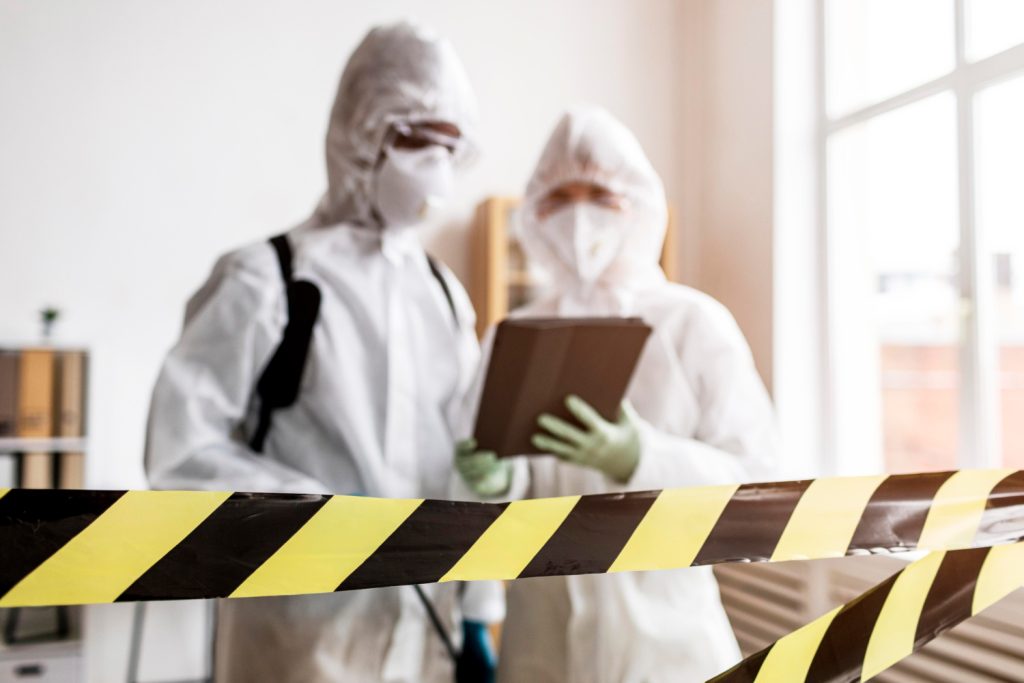
Due to the risks associated with asbestos, the importation of blue and brown asbestos has been banned in the UK since 1985. This ban was extended to include white asbestos in 1999 and since then, using asbestos in the construction or refurbishment of buildings has been illegal.
However, just because it has been banned, it does not mean that the risk has disappeared and indeed, the risk remains ever present as asbestos can be found in ay industrial or residential building built before the year 2000.
The properties of asbestos, namely it’s fire-resistant nature, made it an ideal material for use in buildings and products, including:
- Lagging on plant and pipework
- Insulation products such as fireproof panels
- Asbestos cement roofing material
- Sprayed coatings on structural steel work
It can also be hidden in a building, such as in cavity walls.
Asbestos exposure can be primary i.e. due to working directly with asbestos, or secondary i.e. those who are working nearby to where asbestos is being worked with. Historically, asbestos related illness has been associated professions such as:
- Construction workers
- Dockers
- Shipyard workers
- Trawlermen
- Boilermakers
- Railway Engineering workers
- Power station workers
- Laggers.
- Electricians
- Carpenters
- Asbestos strippers
- Demolition
- Car mechanics
- Painters
- Car and other vehicle mechanics
- Firefighters.
- Sheet metal workers.
Those involved in demolition work, asbestos abatement, building repair and maintenance may be exposed to higher levels of asbestos as there is a greater risk of them disturbing asbestos during the course of their work.
However there is an increase in both younger men and women dying because of exposure from indirect sources. Freedom of information requests made in 2022 showed that:
- The Department for Education found that nearly 81% of schools reported asbestos was present in their buildings.
- The NHS found that more than 90% of hospital buildings contained asbestos.
- 20 local authorities across the UK revealed that 4,533 public buildings still contain asbestos.
The Control of Asbestos Regulations 2012 provide the regulatory framework on working with asbestos and apply to all no-domestic premises. It requires employers to carry out a risk assessment to determine if asbestos is present in the premises, prior to demolition, maintenance or other work which could expose employees to asbestos, provide adequate training to employee who may be exposed to asbestos and as far as reasonably practical, prevent employee from being exposed to asbestos.
It was proposed during the debate that there was a need for a central register of all public buildings which have asbestos and for a deadline to be set for the removal of that asbestos.
If you would like advice about exposure to asbestos, please contact our Industrial Disease team on (01482) 323697.
FRIENDLY, EFFICIENT LEGAL ADVICE
We’re ready to chat when you are
Drop us an email or give us a call for a no obligation chat to see if we can help.