Posted: 03/12/2025
Hip Replacement Surgery
Reading Time: 4 minutes
Hip replacement surgery is one of the most successful orthopaedic procedures performed, offering relief from chronic pain and restoring mobility to millions of people each year. Whilst the majority of surgeries go well, complications can occur and when they do, they can result in significant consequences. Complications arising do not necessarily mean that there has been negligence, as some complications can arise without negligence but if complications related to either orthopaedic surgery do arise as a result of negligent care and it has resulted in you having a worse prognosis, you may be able to bring a claim for clinical negligence.
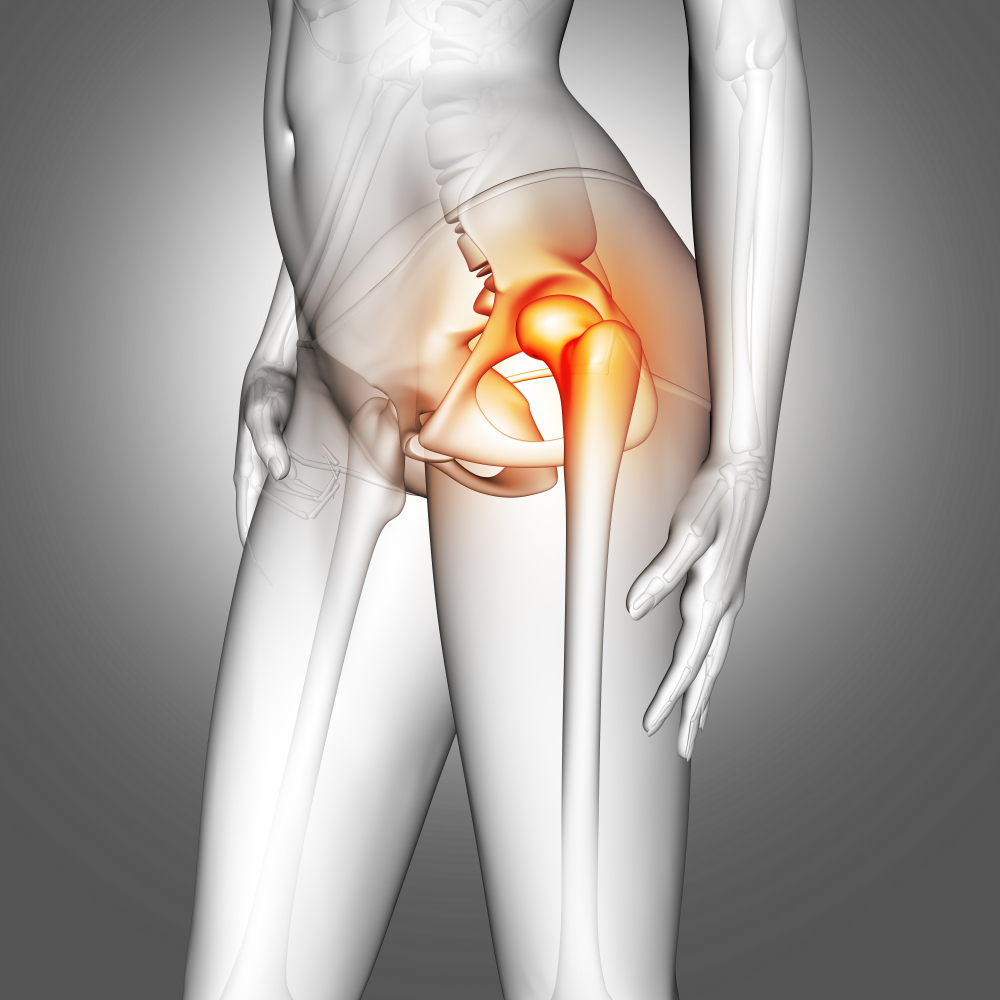
Why hip replacements fail
Hip replacement complications can happen for several reasons. Some relate to the body’s response to the implant, while others stem from surgical and postoperative issues. Irrespective of whether the complications were negligently caused or not, they will likely require further medical attention. If there are delays with treating the complication, this may amount to negligence, even if the initial complication was not caused by negligence.
Implant Loosening
Over time, or in rare cases soon after surgery, the artificial joint can loosen. This may occur due to:
- Wear and tear of the implant materials
- Incorrect positioning of the implant
- Poor bone quality or limited bone healing.
Infection
A hip joint infection is one of the most serious complications. It can occur shortly after surgery or even years later. Although uncommon, infections require prompt medical attention and may result in additional surgeries to remove or replace the implant.
Dislocation
Artificial hip joints can occasionally slip out of place, particularly in the first few months after surgery when soft tissues are healing. Improper/excessive movement, falls or implant misalignment may increase this risk.
Nerve of blood vessel damage
During surgery, nearby nerves or blood vessels can be injured. These complications are rare but can led to numbness, weakness or circulation problems.
Metal wear and adverse reactions
Some older metal-on-metal hip implants were found to release metal irons into the bloodstream as they wore down, causing localised tissue damage or systemic symptoms.
Fractures around the joint
Fall or trauma can cause fractures near the artificial joint. These peri-prosthetic fractures often require additional surgery.
Common Warning signs that something is wrong
1. Persistent or Worsening Pain
- Ongoing pain in the hip, groin, thigh, or even knee, especially after the initial recovery period.
- Pain that worsens with activity or weight-bearing is a major red flag.
2. Reduced Mobility or Instability
- Difficulty walking, limping, or feeling like the hip might “give out.”
- Stiffness or loss of range of motion (sometimes called a “frozen hip”).
3. Unusual Noises
- Clicking, popping, grinding, or squeaking sounds from the joint can indicate loosening, wear, or misalignment of the implant.
4. Signs of Infection
- Redness, swelling, warmth around the surgical site.
- Fever or drainage from the incision area.
- These require immediate medical attention.
5. Changes in Leg Length
- One leg suddenly feels longer or shorter than the other, which may indicate implant movement or bone changes.
6. Dislocation or Instability
- Sensation that the hip is moving in and out of its socket or actual dislocation episodes.
- Often accompanied by severe pain and inability to bear weight.
7. Swelling and Warmth
- Persistent swelling around the hip joint can signal inflammation or infection.
Being aware of the risks, recognising early warning signs and seeking timely medical help can make a difference to long term outcomes. Our clinical negligence team have substantial experience in successfully pursuing claims in respect of orthopaedic surgery and have recovered hundreds of thousands of pounds in compensation. Beyond financial compensation, we recognise the importance of getting answers for our clients as many do not know precisely what has happened to them and why they have suffered harm.
An example of a patient for whom we have obtained such answers is Mr X, who underwent hip replacement surgery approximately 4 years ago. He was admitted for the procedure and discharged home the following day. From the outset and in spite of being told that the surgery was without complications, Mr X experienced severe pain, which persisted for several weeks post-operatively.
Approximately two months later, Mr X suffered a fall during which he heard a “pop.” Subsequent X-rays confirmed an anterior dislocation of the hip, and he underwent a closed reduction operation. Despite this intervention, Mr X continued to experience significant pain.
One month later, Mr X sustained a further fall. Imaging again confirmed a second dislocation, requiring another closed reduction. Following this, Mr X was discharged in an Ossur brace with instructions to remain immobile whilst awaiting revision surgery.

Ultimately, Mr X required revision surgery just three months after his original hip replacement and experienced significant symptoms following his hip replacement, including severe pain, tightness in the hip, and considerable difficulty mobilising.
Mr X instructed Williamsons to investigate whether the original hip replacement had been carried out negligently. Following detailed investigations and an independent expert opinion, it was identified that there were serious issues with the acetabular cup which was inserted during the initial procedure. Specifically, the cup was not positioned correctly; it was retroverted and excessively inclined, it was not properly seated, and was too large for the hip. As a result, Mr X was left with a highly unstable hip, and there was a negligent failure to recognise and address this during surgery.


The complications Mr X endured were directly attributable to the mispositioned and lengthened leg caused by the incorrectly implanted cup, which ultimately necessitated revision surgery.
Mr X continues to suffer daily pain and ongoing mobility problems. The Hospital Trust have admitted breach of duty, and Williamsons are now preparing to enter discussions aimed at securing a suitable settlement for Mr X.
If you have suffered complications following orthopaedic surgery which you feel may have been avoidable, please contact our experienced team to discuss how we may be able to help.
FRIENDLY, EFFICIENT LEGAL ADVICE
We’re ready to chat when you are
Drop us an email or give us a call for a no obligation chat to see if we can help.