Posted: 22/06/2026
Man wrongly diagnosed with and treated for cancer
Reading Time: 3 minutes
When you think of cancer misdiagnosis, the scenario that tends to come to mind is of a person being told that they do not have cancer or cancer not being suspected when the person does in fact have cancer. This can result in delay in diagnosis and treatment and allow cancer to spread.
However, the opposite scenario can also arise, whereby a person is diagnosed with cancer when they do not have it, which may result in unnecessary treatment
This was the case for Simon Pearson, who, in 2017, was referred to Nuneaton’s George Eliot Hospital NHS Trust due to tiredness, a high red blood cell count and abnormal iron levels. He was told in November 2017 that he had polycythaemia vera, which is a rare blood cancer and that it was terminal. He was also diagnosed with haemochromatosis, which is a genetic disorder which causes the body to store toxic amounts of iron.
As a result of the diagnoses, Simon had been undergoing cancer treatment for 7 years, including 42 procedures and repeated blood tests and the regular removal of blood from his body, when a nurse, during a check up, raised concerns about whether Simon even had cancer.
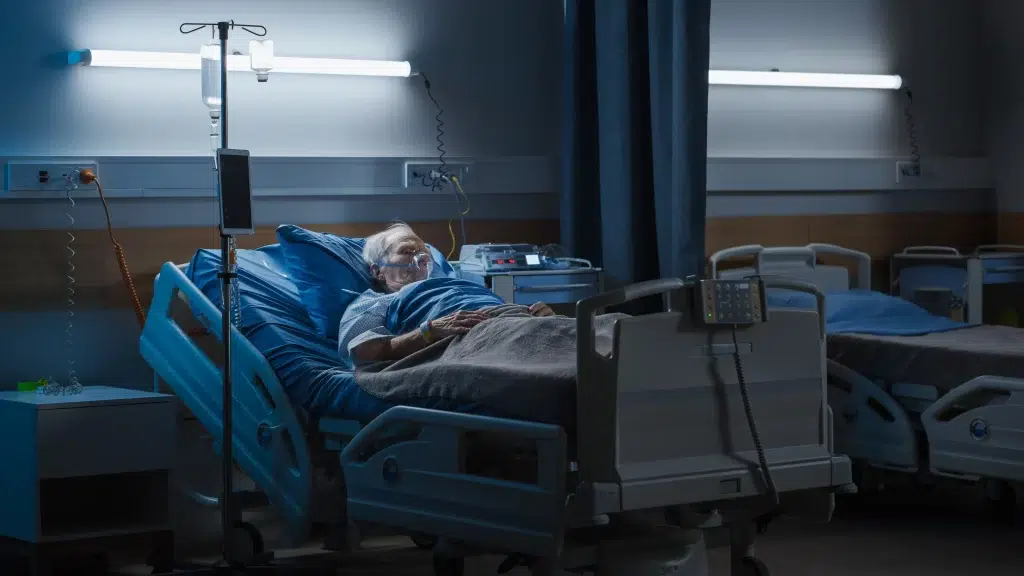
After further tests were caried out, it was revealed that he in fact did not have cancer, nor did he have haemochromatosis. This meant that the years of debilitating treatment he had undergone was not actually needed and that he had wrongly believed that he was terminally ill for many years.
George Eliot Hospital NHS Trust have since apologised for the misdiagnosis, accepting that:
‘Mr Pearson’s care had undoubtedly fallen below our usually high standards and caused significant distress to him. We are working with him to ensure he has our full support going forward. The Trust has carried out a thorough investigation into what went wrong and have put in place actions to address issues identified to ensure this is not able to happen again.’
Despite Mr Pearson being happy that he does not have terminal cancer, the misdiagnosis has had a long lasting emotional impact upon him, including the fear that he would die or the guilt that he may have passed the genes to his children. Before the misdiagnosis, Simon was needle-phobic and having blood taken repeatedly during the 7 years was extremely traumatic.
Physically, his treatment has left him with side effects such as headaches and fatigue. He struggled to work and provide for his family, and his overall quality of life has been affected. He is still struggling with the idea that he had 7 years of unnecessary treatment and he has now started a medical negligence claim.
Studies show that cancer misdiagnosis is a growing issue within the NHS, with as many as 1 in 18 patients affected by this. The most commonly misdiagnosed cancers are breast, lung, pancreatic and colorectal cancer.
If you are concerned about a potential misdiagnosis, there are things that you can do, such as seeking a second opinion, chasing referrals and appointments, bringing someone to accompany you to appointments and keeping a symptom diary.
At Williamsons Solicitors, we understand how distressing cancer misdiagnosis or delay can be, and we have substantial experience of pursuing cancer misdiagnosis claims, including where cancer has been wrongly diagnosed. If you or someone close to you has been affected by cancer misdiagnosis and would like to explore your option to pursue a claim, please contact us on 01482 323697.
FRIENDLY, EFFICIENT LEGAL ADVICE
We’re ready to chat when you are
Drop us an email or give us a call for a no obligation chat to see if we can help.