Posted: 11/03/2026
Miracle Baby Born After First UK Womb Transplant From a Deceased Donor
Reading Time: 3 minutes
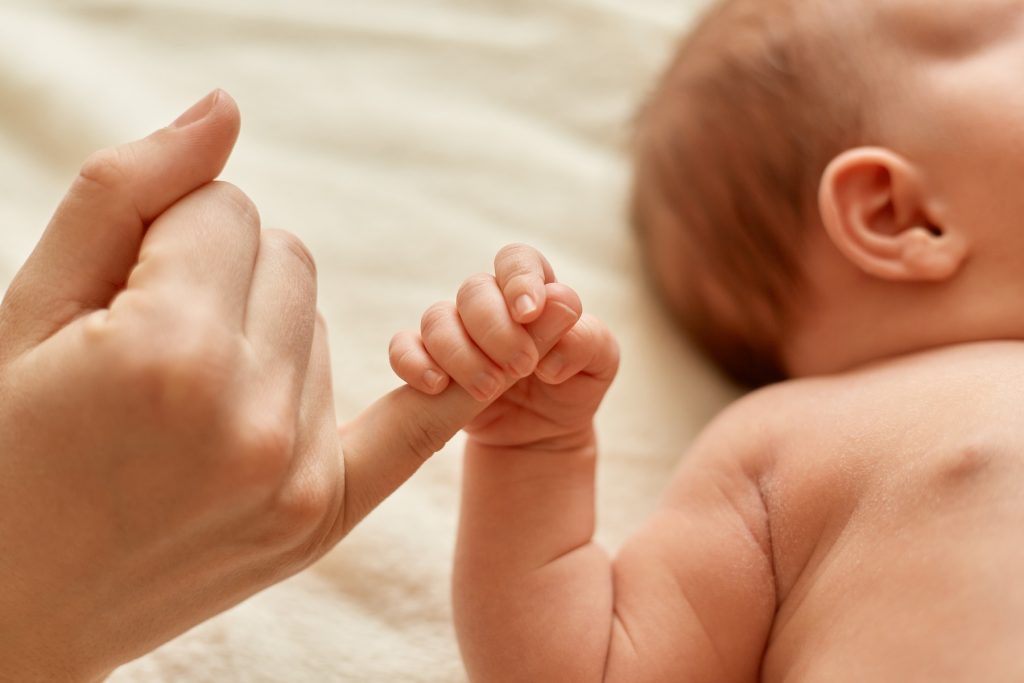
The UK has marked a medical milestone with the birth of Hugo Powell, the first baby in the country to be born after his mother received a womb transplant from a deceased donor. His arrival represents a significant development in reproductive medicine and offers new hope to women who cannot carry a pregnancy due to the absence of a functioning uterus.
A Rare Condition and Limited Reproductive Options
Hugo’s mother, Grace Bell, was born with Mayer-Rokitansky-Küster-Hauser (MRKH) syndrome, a condition affecting approximately one in 5,000 women in the UK. Women with MRKH have normally functioning ovaries but lack a fully developed womb, meaning natural pregnancy is impossible without medical intervention.
Until recently, options for women with this condition were limited to surrogacy or adoption. While womb transplants have been explored internationally for over a decade, the UK has only recently begun its own structured research programme.
The Transplant Procedure
Grace underwent the transplant in June 2024 at The Churchill Hospital in Oxford, as part of a clinical programme backed by Womb Transplant UK. The donor’s family gave specific consent for the uterus to be used, as uterus donation is not covered under the UK’s standard organ donation framework.
Surgeons described the operation as highly delicate due to the complexity of connecting extremely small blood vessels. The deceased donor transplant formed part of a planned series of ten procedures forming a major UK research initiative.
IVF and Pregnancy
Following the transplant, Grace began IVF treatment at The Lister Fertility Clinic in London. Several months later, she became pregnant, although the pregnancy required close monitoring because transplant recipients must remain on immunosuppressant medication and the associated risks are heightened.
A Historic Birth
Hugo was born by caesarean section in December 2025 at Queen Charlotte’s and Chelsea Hospital in London, weighing around 6lb 13oz. His birth is not only a UK first but also one of only a small number of births in Europe from a deceased-donor womb transplant.
Grace and her partner, Steve Powell, both in their 30s, described the moment as extraordinary. For Grace, who had been told at 16 that carrying her own child would never be possible, Hugo’s arrival felt “simply a miracle.”
The Donor’s Legacy
The donor’s family has spoken of their pride in the life changing impact their daughter’s organ donations have had. Alongside the uterus, five other organs were used to help save or improve the lives of additional patients. They described their daughter’s legacy as one of “time, hope, healing and life” for others.
Their decision required separate consent, as uterus donation is not automatically included under the UK’s deemed consent system. This case may influence future discussions about expanding the scope of organ donation.
What This Means for the Future
Hugo’s birth represents a major step forward in fertility treatment and transplant surgery in the UK. While the procedure remains highly specialised and not widely available, it broadens future possibilities for women who cannot carry a pregnancy due to congenital conditions or previous medical treatment.
Once Grace and her partner have completed their family, the transplanted womb will be removed to avoid the need for lifelong immunosuppression, a standard part of womb-transplant care.
The UK research team hopes that this breakthrough will pave the way for more successful transplants and births as their programme continues.
FRIENDLY, EFFICIENT LEGAL ADVICE
We’re ready to chat when you are
Drop us an email or give us a call for a no obligation chat to see if we can help.