Posted: 01/03/2026
Ovarian Cancer Awareness Month – March 2026
Reading Time: 2 minutes
Ovarian Cancer Awareness Month is observed every March to shine a light on ovarian cancer, its symptoms, and the importance of early detection. Despite medical advances, awareness remains critically low. In the UK, only 1 in 3 women live more than 10 years after diagnosis, and 90% of women do not know the symptoms of ovarian cancer. Increasing understanding is essential to improving outcomes.
What is ovarian cancer?
Ovarian cancer is cancer that originates in the ovaries, and it is the 6th most prevalent cancer in women. The ovaries are part of the female body which are responsible for producing eggs and hormones such as oestrogen and progesterone.
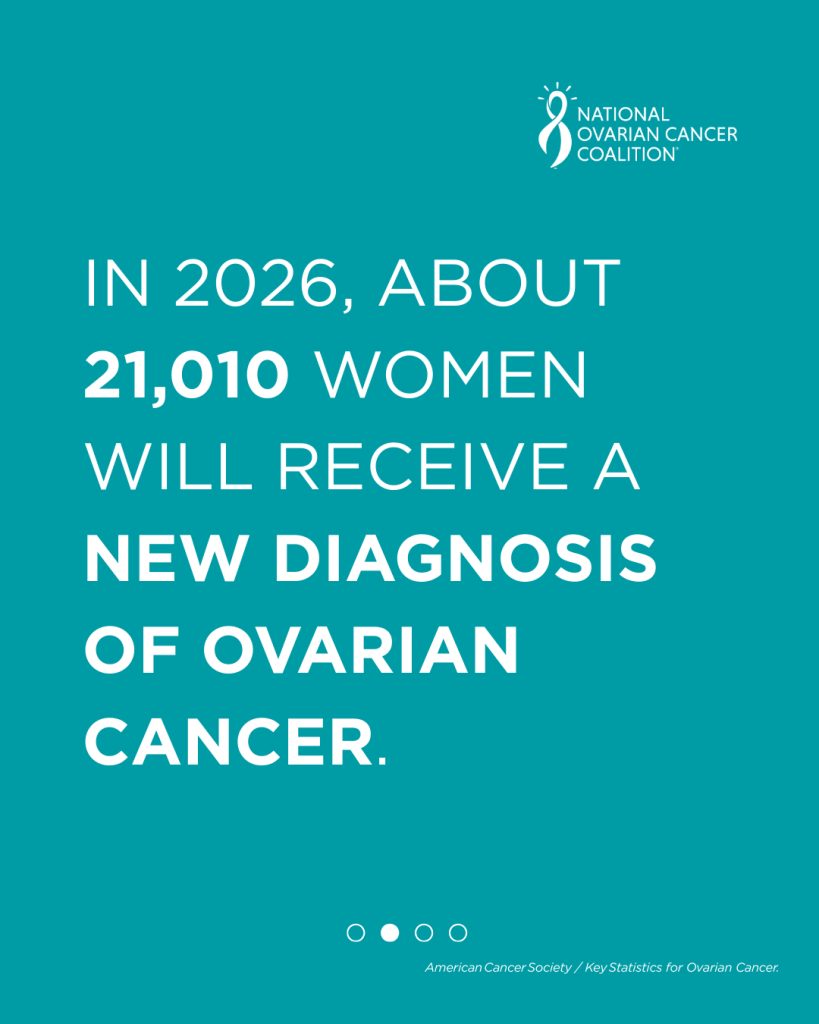
However, ovarian cancer does not always start in the ovaries themselves. It can also originate in the fallopian tubes and a rare type of cancer in the peritoneum (the lining of the abdomen) has the same cancer cells as ovarian cancer and is thought to originate from cells at the end of the fallopian tubes. The abnormal cells grow and divide uncontrollably, forming a tumour that can invade surrounding tissue or organs and may spread to other parts of the body.
The ovaries are part of the female reproductive system, which is made up of the:
- Vulva
- Vagina
- Womb (Uterus) and Cervix
- Fallopian tubes
- Ovaries
The main types of Ovarian Cancer are:
- Epithelial Ovarian Cancer. This is the most common type which starts in the surface layer which covers the ovary, fallopian tube or peritoneum.
- Germ Cell Ovarian Cancer which begins in the cells that develop into eggs. This is a rarer cancer and often affects younger individuals.
- Sex Cord-Stromal Tumours which begins in the tissue that support the ovaries and produce hormones.
Symptoms:
Early stages of ovarian cancer can be easily ignored as symptoms tend to replicate menstruation or digestive issues. These symptoms can include but are not limited to, abdominal bloating, pelvic pain and changes in bowel habits.
These symptoms can be subtle, but if they are persistent, or unusual for you, it is important to seek medical advice.
Who is at Risk?
Anyone with female reproductive organs can develop ovarian cancer. Risk increases with age and is most prevalent in women aged 75-79. Whilst the exact cause is still unknown, several factors can increase risk. These include being older, overweight, a family history of ovarian cancer, inherited faulty genes, hormone replacement therapy (HRT), smoking and medical conditions including endometriosis.
Support
Should you or a family member be experiencing ovarian cancer and are struggling to come to terms with the diagnosis, you will find on the Macmillan website the details of various support organisations, including Eve Appeal, Ovacome and Target Ovarian Cancer: https://www.macmillan.org.uk/cancer-information-and-support/ovarian-cancer
FRIENDLY, EFFICIENT LEGAL ADVICE
We’re ready to chat when you are
Drop us an email or give us a call for a no obligation chat to see if we can help.