Posted: 13/02/2026
Sepsis Awareness in Wales and the need for urgent reform
Reading Time: 4 minutes
A BBC investigation into sepsis care in Wales has prompted fresh concern over how this life-threatening condition is recognised and treated within NHS services. Shockingly, sepsis awareness training is still not mandatory at most hospitals in Wales, including at the University Hospital of Wales in Cardiff. How can sepsis be consistently recognised at the earliest possible stage if staff are not appropriately trained to recognise the red flags for sepsis?
Whilst the Welsh government say that sepsis awareness is a ‘priority’ and that the NHS Wales improvement plans for 2026 and 2027 includes significant steps to improve how NHS organisations recognise and respond to sepsis, the number of sepsis deaths speak for themselves. The UK Sepsis Trust estimates that there are thousands of preventable deaths across the UK and thus including Wales each year.
The BBC’s Freedom of Information request to all health boards in Wales revealed that even where there was mandatory training, it was part of other modules and not standalone sepsis training.
Sepsis remains one of the leading causes of death from infection in the UK, and public health advocates have long campaigned for improved education and awareness – both among healthcare professionals and the general public. The UK Sepsis Trust is calling for all clinical hospital staff to have mandatory standalone sepsis awareness training to make sure that sepsis is caught as early as possible.
The tragic case of Bethan James exemplifies why urgent reform is needed in respect of sepsis awareness and training. Bethan was a 21-year-old journalism student from Cardiff when she died in 2020 due to sepsis, pneumonia and complications linked to Crohn’s disease.
Despite making 5 hospital visits in the 10 days before her death, the signs of sepsis were not recognised early enough, and crucial delays in treatment ultimately cost Bethan her life. Her parents felt that medical professionals were dismissive of Bethan’s symptoms, which included a high heart rate and low blood pressure. She was presenting with red flag symptoms for sepsis but they were not recognised. Even shortly before Bethan passed away, she was still being reassured by doctors that she was going to be okay.
Thereafter, Bethan deteriorated whilst at home and paramedics were called; her blood pressure had fallen so low that the paramedics who attended could not record her blood pressure. Even then however, the paramedics still did not recognise that Bethan was presenting with sepsis, in spite of her having a National Early Warning Score (NEWS) of 8, which indicates severe sepsis in respect of which urgent medical escalation is required. Due to this, Bethan was not prioritised; there was not even a resuscitation bed waiting for her on arrival at the University Hospital of Wales.
Her mum described A&E on that night to have been chaos and that ‘there was no one taking overall care of Bethan’. It was still not recognised that she had sepsis when she was triaged and it was almost an hour after she was admitted that tests confirmed sepsis and she was given antibiotics. This however was too late to save Bethan, who sadly suffered a fatal cardiac arrest minutes later.
A coroner later concluded that Bethan “would not have died” had her care not been delayed. Time is of the essence when treating sepsis, which is why early recognition is vital. Dr Ron Daniels, the UK Sepsis Trust’s chief medical officer, notes that ‘For every hour we delay giving life saving treatment, the patient’s chance of survival falls. In rapidly progressing cases like Bethan’s, that’s even more time critical’.
The Welsh Ambulance Service acknowledged errors in Bethan’s case and said mandatory training has since been introduced. The Cardiff and Vale University Health Board, which runs the University Hospital of Wales, said ‘sepsis awareness and early recognition are priorities’ and that it was ‘continuously reviewing sepsis training to improve consistency and accessibility’. This however does not change the devastating outcome for Bethan and her family but, in Bethan’s memory, they are striving for change to ensure that other families do not have to go through what they have.
Bethan’s family, alongside the UK Sepsis Trust, are calling for urgent reforms in sepsis awareness and training. Her parents, Steve and Jane James, describe living with “total devastation” and now campaign for standalone, mandatory sepsis training for all healthcare staff, as well as the introduction of “Martha’s Rule” in Wales in all settings including outpatient areas like A&E to allow families to request urgent second opinions when a patient deteriorates.
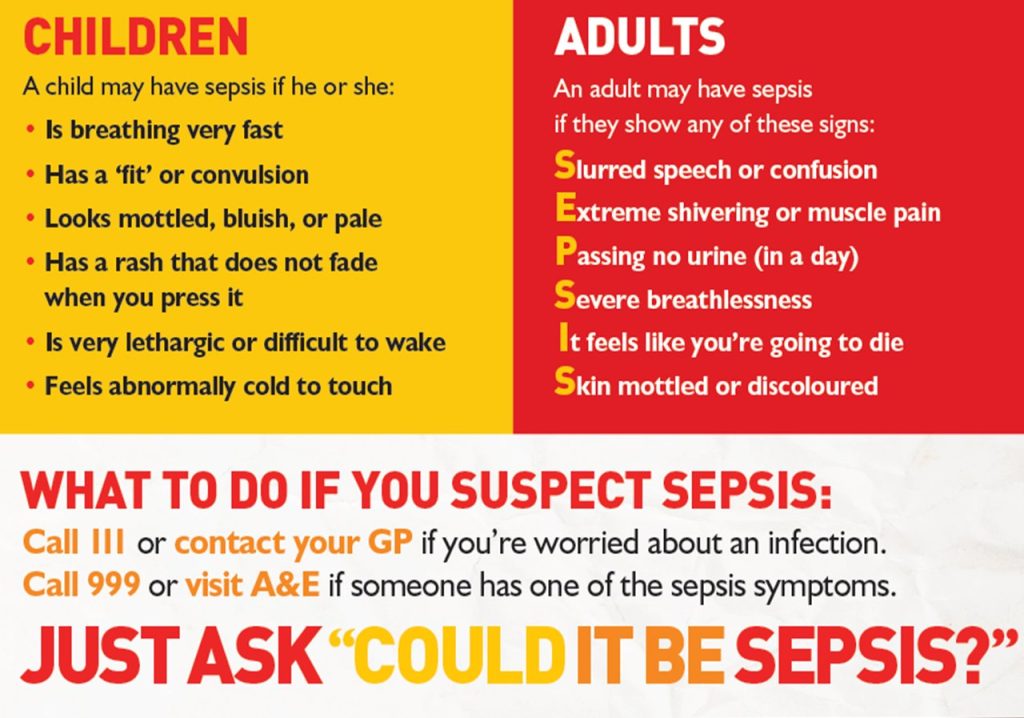
If you or a loved one have suffered similar issues to Bethan and her family, you may be able to bring a claim for clinical negligence. Although a claim cannot change what has happened, it can assist with getting much needed justice and answers as to what happened and why, as well as providing financial security for the future. If you are not sure if you or a loved one have a potential claim for clinical negligence, please contact our experienced team to talk through what has happened and explore what your options may be.
FRIENDLY, EFFICIENT LEGAL ADVICE
We’re ready to chat when you are
Drop us an email or give us a call for a no obligation chat to see if we can help.