Posted: 17/03/2026
Understanding the Current Meningitis Outbreak in Kent
Reading Time: 3 minutes
A serious meningitis outbreak has been unfolding in Kent, with 13 confirmed cases reported between 13 and 15 March 2026. Tragically, two young people, a University of Kent student and a Year 13 school pupil, have died, and several others remain seriously ill in hospital.
It is believed the outbreak may be linked to a series of student events in Canterbury, including a popular night at Club Chemistry, which several affected individuals had attended shortly before becoming unwell. UKHSA (UK Health Security Agency) has confirmed that some of the cases visited the club between 5 and 7 March, prompting their urgent request for anyone present on those dates to seek preventative antibiotics. There is also ongoing examination of whether the spread may have accelerated following a student gathering or party attended by some of those who later fell ill, as cases rose sharply over just 72 hours. Although the exact strain and the precise starting point remain under investigation, health officials are confident that close-contact environments, such as busy student nights and shared social spaces, played a significant role in the rapid transmission of the
Public health officials have launched one of the largest emergency responses seen at a UK university in recent years.
What is Meningitis
Meningitis is an infection of the meninges, which are the protective membranes surrounding the brain and spinal cord; the infections that cause meningitis can be spread through sneezing, coughing or kissing.
There are a number of different causes for meningitis and meningitis presents in different ways, dependent upon the cause.
The current Kent outbreak involves bacteria, namely meningitis B, which is often referred to as MenB. It is the most common cause of meningococcal meningitis, being a severe bacterial form caused by Neisseria meningitidis.
When meningitis develops with septicaemia, which is blood poisoning, this is known as meningococcal disease, which progresses rapidly and with little warning.
Different Types of Meningitis
Bacterial meningitis
This is the most serious form and can be life-threatening without urgent treatment. As well as MenB, which accounts for 9 out of 10 meningococcal infections, common bacterial groups in the UK include MenA, MenC, MenW and MenY. A vaccination for MenB was introduced in 2015 for babies but the majority of young people who were born before 2015 are not protected against this form of meningitis.
Viral meningitis
Typically, this type of meningitis is more common but usually less severe. The viruses that can lead to viral meningitis include enteroviruses, mumps and the herpes simplex virus. Whilst uncomfortable and distressing, most people recover without long-term effects. (Not specifically linked to the current outbreak.)
Rarer types of meningitis
- Fungal meningitis
- Chemical meningitis
- Parasitic meningitis
- Cryptococcal meningitis
Symptoms Requiring Urgent Action
With bacterial meningitis, treatment includes antibiotics and often requires hospital admission for at least a week. If treated quickly, you have the best possible chance of a full recovery but if not treated quickly, it can lead to sepsis, brain or nerve damage, hearing loss or even death.
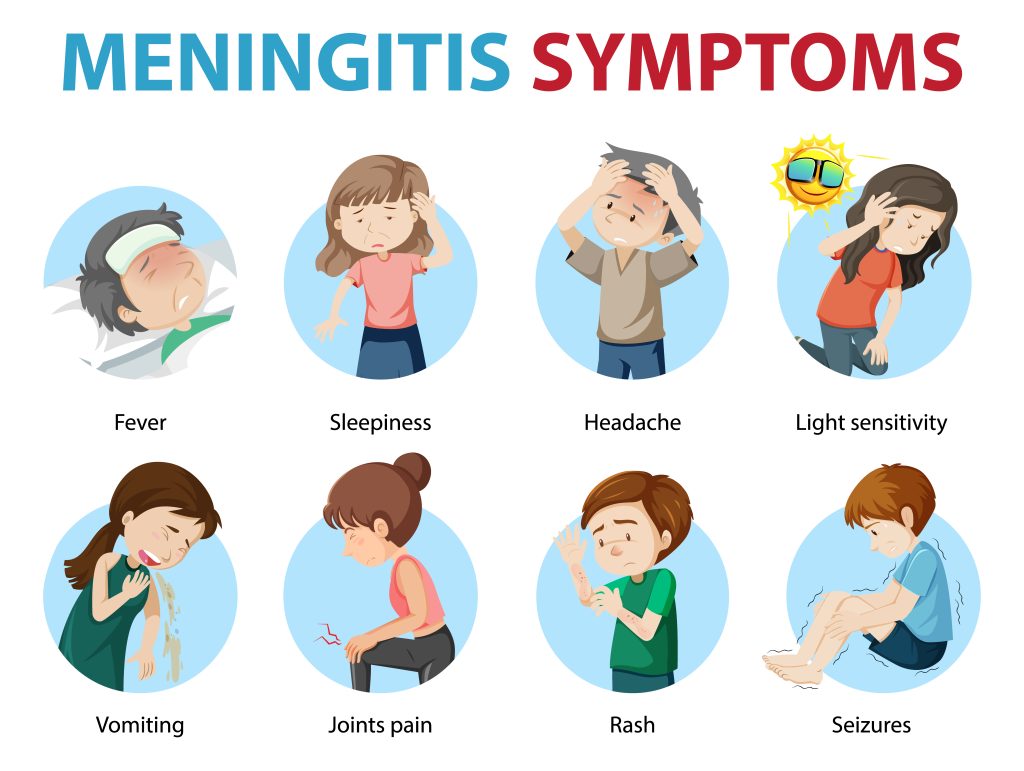
One of the greatest dangers in meningococcal disease is how easily symptoms can be mistaken for a flu-like illness, hangover, or general viral infection, particularly in young adults.
This outbreak highlights the critical importance of: –
- Rapid recognition of symptoms
- Immediate antibiotics for confirmed cases and close contacts
- Awareness among peers, especially checking on friends who become suddenly unwell
Key signs include: –
- High fever with cold hands and feet
- Severe headache
- Vomiting
- Rapid breathing
- Drowsiness or confusion
- Stiff neck
- Sensitivity to light
- Joint or muscle pain
- A rash that does not fade under pressure (e.g., glass test)
Officials have emphasised that swift medical attention can be lifesaving. Anyone displaying symptoms should contact a GP, NHS 111, or 999 immediately.
Why Students Are Particularly at Risk
Crowded accommodation, shared social spaces, and close-contact behaviours such as kissing, sharing drinks or smoking/vaping increase the likelihood of transmission.
Carriage rates of meningococcal bacteria are naturally higher among teenagers and young adults.
Universities and sixth-form settings are therefore more vulnerable to outbreaks, even though national risk remains low.
FRIENDLY, EFFICIENT LEGAL ADVICE
We’re ready to chat when you are
Drop us an email or give us a call for a no obligation chat to see if we can help.