Posted: 02/02/2026
What the Death of Baby Pippa Gillibrand Teaches Us About Clinical Negligence in Maternity Care
Reading Time: 3 minutes
The recent inquest into the death of baby Pippa Gillibrand has exposed serious failings in maternity care and raised urgent questions about the safety of home birth services when systems are under pressure.
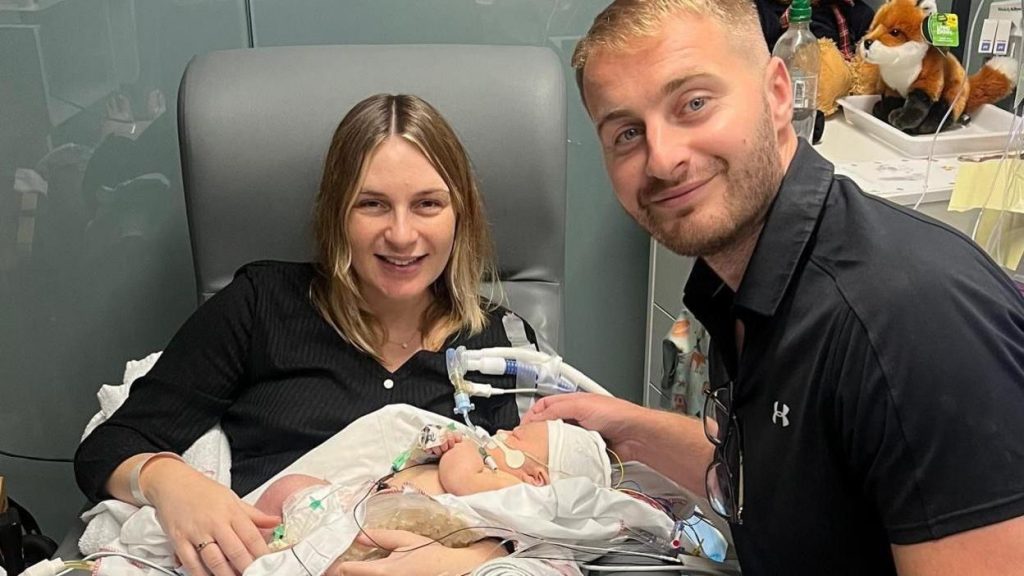
Pippa died at just 12 days old after suffering catastrophic brain damage during a planned home birth. The coroner concluded that her death was avoidable, and that a series of delays and missed opportunities to act contributed directly to the outcome.
What happened?
Pippa’s parents had been told that their pregnancy was low risk and that a home birth was suitable. When labour began, however, the community midwifery team were already attending another birth and were unable to reach the family promptly.
Despite repeated contact with maternity services and clear signs that labour was progressing, there was no timely assessment, no consistent monitoring of the baby’s heart rate, and no urgent escalation to hospital care.
By the time Pippa was delivered in hospital, she had suffered severe oxygen deprivation. She never recovered and died days later.
The coroner found that had appropriate action been taken sooner, including advising immediate hospital transfer, Pippa’s death would likely have been prevented.
Failings identified by the inquest
The coroner highlighted multiple concerns, including: –
- Delays in attendance and escalation
- Failure to monitor the baby in line with national guidance
- Lack of a clear plan when home birth services were overstretched
- Inadequate staffing and service capacity
- Failure to advise hospital attendance when safe care could not be provided at home
These are not administrative issues. They are safety failures that directly place lives at risk.
Why this is a Clinical Negligence Issue
In Clinical Negligence Law, healthcare providers have a duty to deliver care that meets a reasonable standard. When services cannot be delivered safely, patients must be
informed and offered appropriate alternatives in order to prioritise safety. The inquest made clear that the home birth should not have continued when the service could not safely support it.
This case reflects many of the issues we regularly see in maternity negligence claims, including:-
- Failure to recognise when a situation is no longer low risk
- Delays in decision-making and escalation
- Poor communication and planning
- Understaffed services continuing to operate beyond safe limits
When these failures combine, the consequences can be devastating.
You are not alone
Families are often told that complications were “just one of those things”. However, many cases later reveal that earlier action would have changed the outcome.
If you or your child were harmed during pregnancy, labour or birth, and you have unanswered questions, you may be entitled to seek clarity, accountability and support.
When to seek advice
You may wish to speak to a Specialist Clinical Negligence team if you or your child experienced: –
- Delays in being assessed or transferred to hospital
- Concerns that were dismissed
- Abnormal observations that were not acted upon
- A birth injury later described as unavoidable
- A lack of explanation about what went wrong
Understanding whether mistakes were made can be the first step towards finding answers.
Moving forward
For Pippa’s family, the inquest has hopefully brought some clarity, but it cannot undo their loss. The hope is that lessons are learnt and changes are made so that no other family has to endure the same heartbreak.
If this story feels uncomfortably familiar, you are not alone. Support is available, and you deserve to know the truth about your care.
FRIENDLY, EFFICIENT LEGAL ADVICE
We’re ready to chat when you are
Drop us an email or give us a call for a no obligation chat to see if we can help.