Posted: 29/04/2026
Cancer trends in the UK following 2026 Overview
Reading Time: 3 minutes
Cancer Research UK have recently released their ‘Cancer in the UK’ overview for 2026 and it sets out the growth in cancer diagnoses and the increasing challenges faced by the NHS in diagnosing and treating cancer.
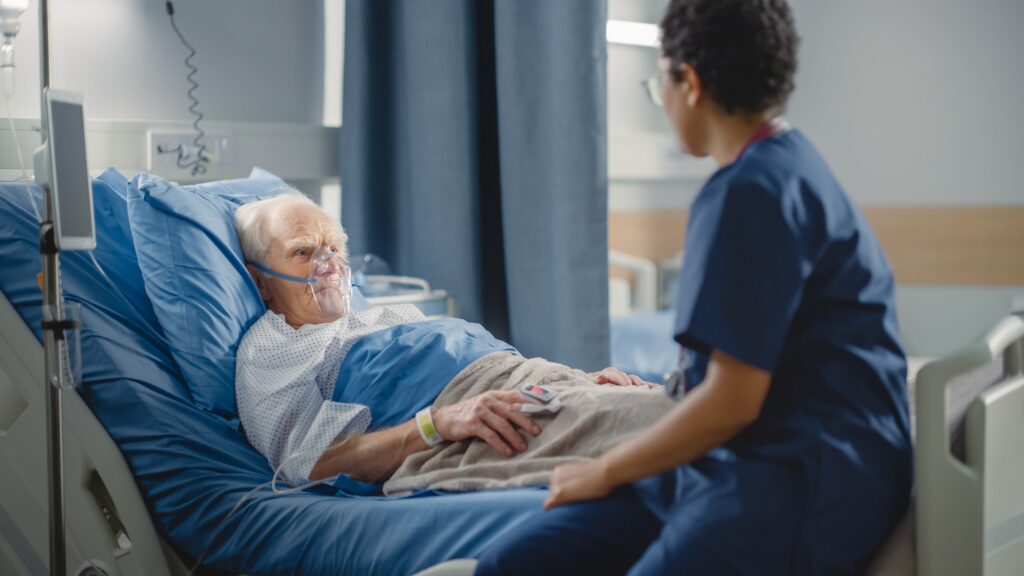
It is clear that cancer outcomes in the UK have improved over decades, with cancer survival doubling since the 1970s but progress has slowed and outcomes still vary widely by cancer type. As has been well documented, the NHS remains under significant pressures and requires overarching change to improve the care received by patients. The need for such change has been recognised in the recent National Cancer Plan but such substantive change does not occur overnight, meaning that patients are still facing avoidable delays and errors with diagnosis and treatment, which can be lifechanging.
What the latest UK cancer trends mean for patients:
More than 400,000 people are now diagnosed with cancer in the UK each year, which is equivalent to around 1,100 new cases every day, with breast, prostate, lung and bowel cancers accounting for over half of all diagnoses. Cancer mortality rates are at their lowest recorded level, yet cancer remains the UK’s leading cause of death, responsible for 26% of all deaths, and around 170,000 people die from cancer each year.
Early diagnosis is critical. Across the UK just over half of patients with cancer are diagnosed at stages 1–2, and England aims for 75% by 2035, though current trajectories fall short of this goal. The route to diagnosis strongly influences outcomes: around 1 in 5 cancers are diagnosed via an emergency presentation, which is associated with later stage disease, worse experience, and higher short‑term mortality. For bowel cancer, more than 9 in 10 people in Wales survive at least five years when diagnosed at the earliest stage, compared to around 1 in 10 at the latest stage, with the same pattern seen in data from England and Northern Ireland.
Access to timely tests and treatment remains a challenge. In December 2025, about 1.7 million people in the UK were waiting for key diagnostic tests such as endoscopy and radiology, and in Scotland around 43% of those waiting had exceeded six weeks. Cancer waiting time standards have been persistently missed: the 62‑day standard has not been met in England since 2015, nor in Scotland since 2012, and has never been met in Northern Ireland; Wales is also yet to meet its Suspected Cancer Pathway target. Although England’s Faster Diagnosis Standard has improved overall, only 55% of people who were ultimately diagnosed with cancer received that diagnosis within 28 days in late 2025, compared with 78% where cancer was ruled out.
Screening and early detection initiatives can reduce risk, but uptake varies. Bowel screening uptake has risen to around 65%–70% across the UK, aided by the faecal immunochemical test; changes in England are estimated to detect about 1,000 extra bowel cancers per year. Cervical screening coverage has declined to around 55%–69% and significant barriers to participation persist. Breast screening uptake has fallen by about 2 percentage points in England and Wales over the last decade. Targeted lung cancer screening is being rolled out and could shift thousands of diagnoses to earlier stages in the UK each year, potentially avoiding around 1,900 deaths annually when fully implemented.
When a claim might arise:
Understanding current cancer trends helps patients and families recognise when care may have fallen below a reasonable standard and when to seek legal advice.
Clinical negligence arises where care falls below a reasonable standard and causes avoidable harm. The trends above highlight recurring scenarios in cancer care that may warrant legal investigation.
Common failings encountered in respect of cancer related clinical negligence include but are not limited to:
- Misdiagnosis / delayed diagnosis
- Failure to refer by primary care
- Diagnostic and test delays
- Inadequate or inappropriate treatment
If you have concerns about your cancer care and treatment, please contact Williamsons on 01482 323697 to discuss whether you have a potential claim for clinical negligence; we are here to help.
FRIENDLY, EFFICIENT LEGAL ADVICE
We’re ready to chat when you are
Drop us an email or give us a call for a no obligation chat to see if we can help.